 Hybrid Battle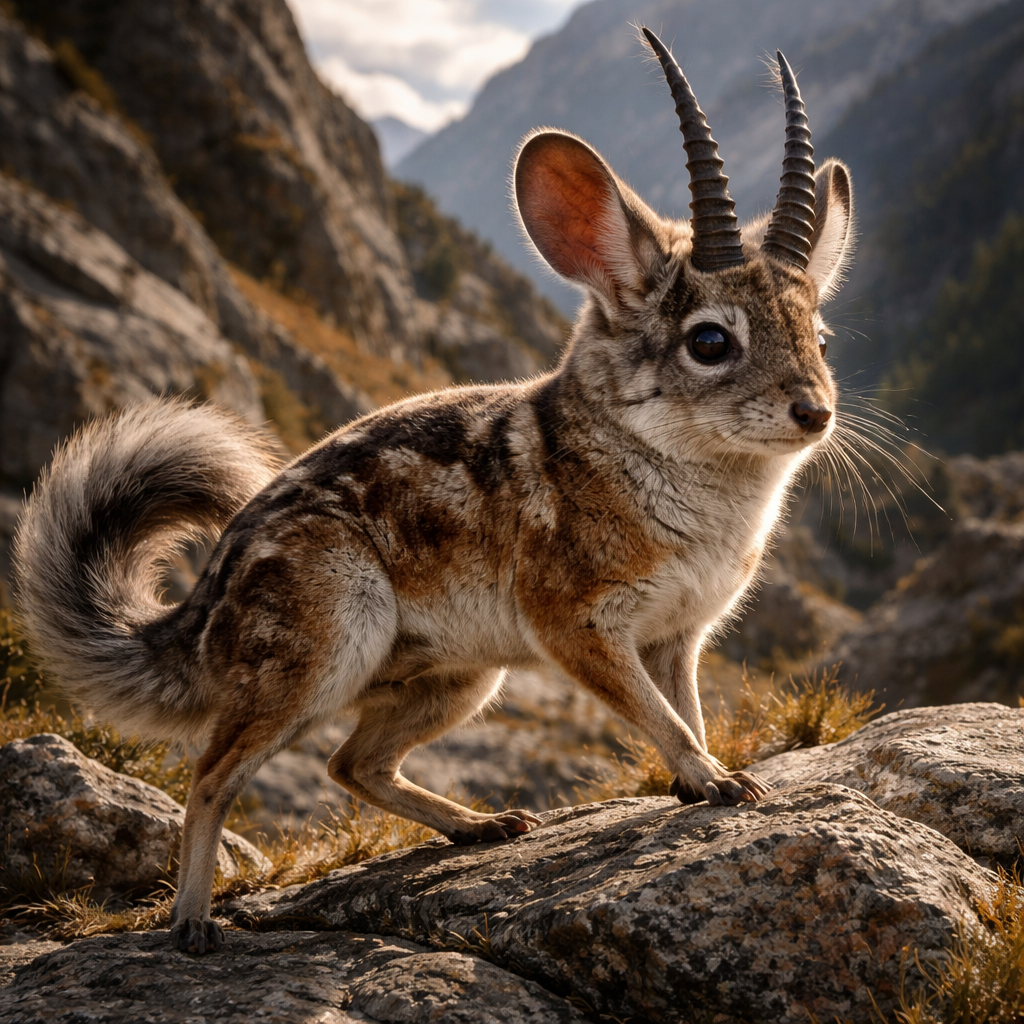
Chinchlope
A hybrid of Chinchilla + Antelope
The Chinchlope (Chinchilla antelopeensis) is a small to medium-sized mammal characterized by its soft, velvety fur that mimics the texture of a chinchilla, adorned with striking patterns reminiscent of antelope hide. It has elongated limbs and a slender body, standing approximately 2 feet tall at the shoulder. Its large, expressive eyes are designed for excellent night vision, and its ears are long and tufted, enhancing its hearing capabilities. The Chinchlope possesses a unique combination of agility and grace, allowing it to navigate rocky terrains with ease while evading predators.
Special Abilities
Velvet Charge
The Chinchlope lunges forward with surprising speed, using its powerful legs to deliver a forceful strike against its opponent.
From the AntelopeReal-world basis: The Chinchlope's powerful hind limbs allow for explosive bursts of energy, similar to the charging behavior seen in antelope species.
Fluffy Defense
When threatened, the Chinchlope curls into a tight ball, using its dense fur to absorb impact and deter predators.
From the ChinchillaReal-world basis: The thick fur provides insulation and shock absorption, similar to the defensive behaviors of small mammals.
Agile Leap
With an impressive leap, the Chinchlope can evade attacks or obstacles, leveraging its agility to navigate quickly away from danger.
From the AntelopeReal-world basis: The Chinchlope's powerful legs and flexible spine enable it to perform remarkable jumps, akin to the leaping capabilities of antelope.
Whisker Warning
The Chinchlope uses its sensitive whiskers to detect nearby movements, allowing it to anticipate and avoid threats effectively.
From the ChinchillaReal-world basis: The highly developed tactile sensory system in chinchillas helps them sense vibrations and changes in their environment.
Habitat: The Chinchlope thrives in mountainous regions and rocky outcrops, favoring dry grasslands and scrubland where it can find shelter among boulders and brush. Diet: Chinchlopes are herbivorous, primarily feeding on grasses, leaves, and the occasional succulent plant. Their diet is supplemented with seeds and fruits when available, and they have adapted to extract moisture from their food, reducing their need for direct water sources.