 Hybrid Battle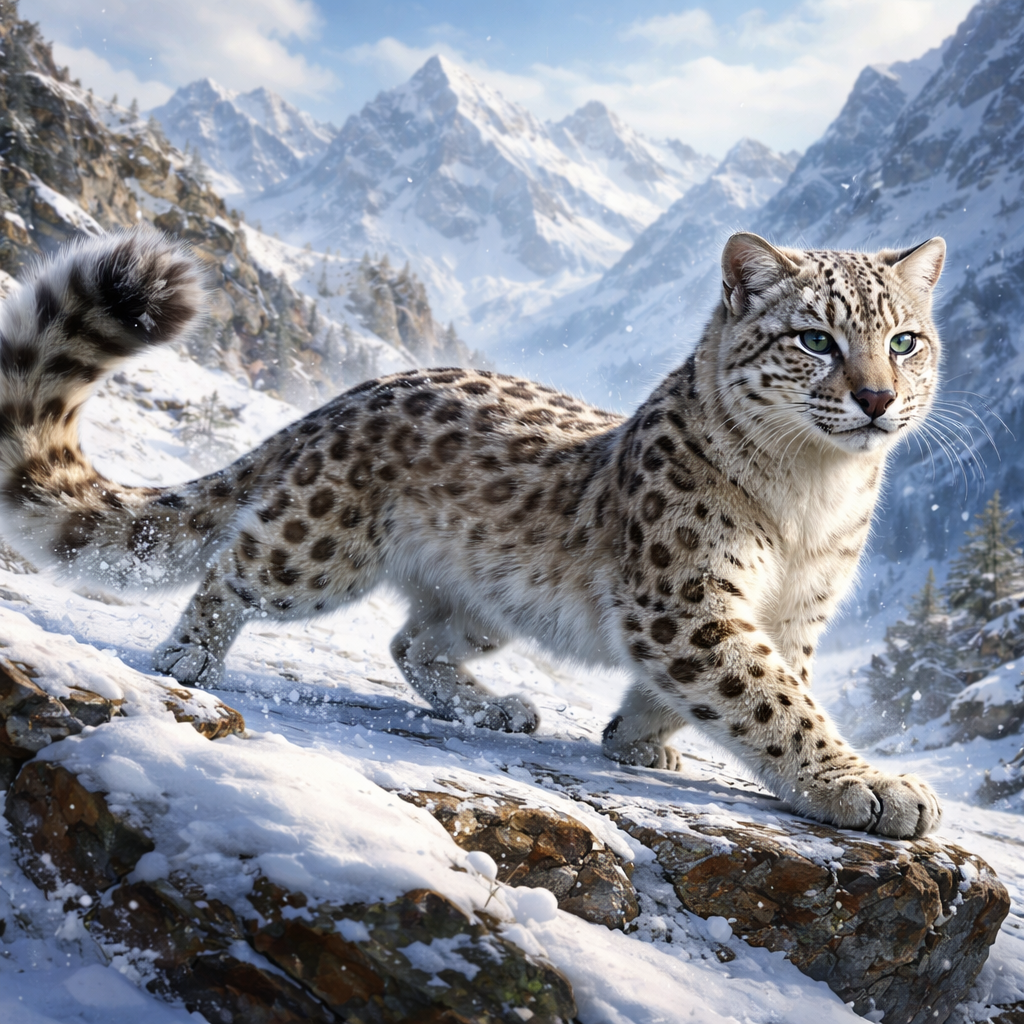
Weaselopard
A hybrid of Weasel + snow leopard
The Weaselopard (Vulpes uncia) is a unique hybrid creature, combining the agile form of a weasel with the majestic features of a snow leopard. It possesses a lithe body, measuring approximately 1.2 meters in length, covered in a luxurious coat of thick, spotted fur that ranges from snowy white to a pale cream, allowing it to blend seamlessly into its alpine habitat. Its elongated limbs and sharp claws offer remarkable climbing abilities, while its keen eyesight and acute hearing make it an adept hunter in the harsh mountain environment.
Special Abilities
Feral Strike
A rapid, powerful lunge that allows the Weaselopard to strike at its prey with razor-sharp claws.
From the snow leopardReal-world basis: The Weaselopard utilizes its strong forelimbs and retractable claws, similar to those of the snow leopard, to deliver a swift and deadly attack.
Sly Ambush
An ability to stealthily approach prey before launching an unexpected attack from cover.
From the weaselReal-world basis: Drawing from the weasel's natural hunting tactics, the Weaselopard uses its agility to remain unseen, then strikes with precision.
Snow Camouflage
The ability to blend into snowy environments, making it nearly invisible to predators and prey.
From the snow leopardReal-world basis: The Weaselopard's unique fur pattern mimics the snowy terrain, similar to the snow leopard's adaptive coloration.
Quick Reflexes
An innate talent for dodging attacks and quickly escaping from threats.
From the weaselReal-world basis: The Weaselopard inherits the weasel's exceptional speed and agility, allowing it to evade larger predators.
Habitat: Weaselopards inhabit the rugged, snow-covered mountains of Central Asia, typically residing in rocky outcrops and dense underbrush at altitudes ranging from 2,000 to 4,500 meters. They thrive in cold, harsh climates, often found in areas with abundant snowfall and steep terrain. Diet: As opportunistic carnivores, Weaselopards primarily feed on small to medium-sized mammals, such as rodents and hares, as well as birds and insects. They are known to scavenge when food is scarce and will occasionally consume fruits and vegetation during the summer months.